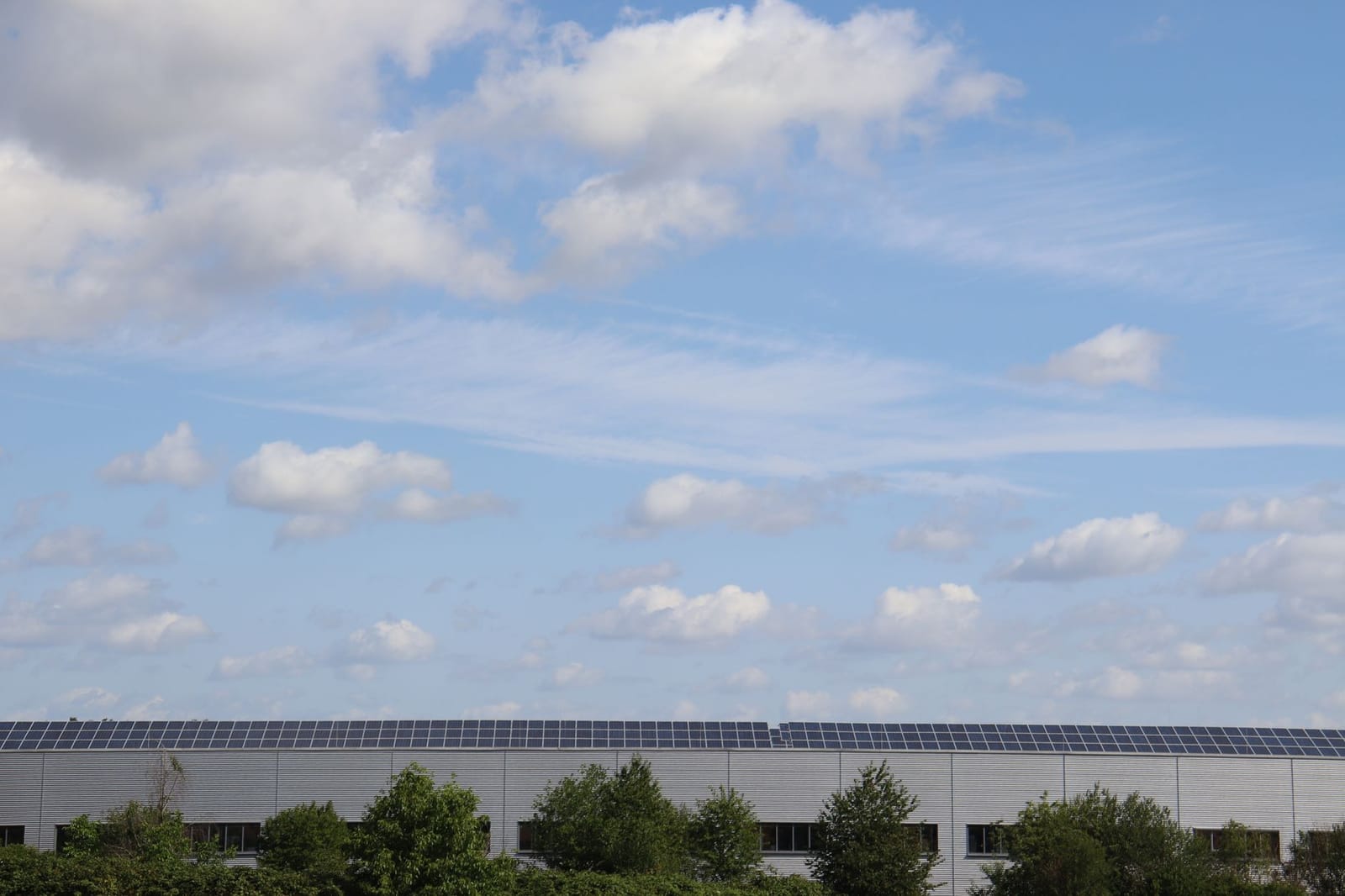
This site is an independent UK guide to commercial solar for the retail and leisure property sector: shopping centres, retail parks, covered malls, supermarkets, and the gyms, pubs and dealerships that sit alongside them. It is operated by SEO Dons Ltd and explains how rooftop and car-park solar works for landlords and operators who run these schemes. We are not an installer.
The reason for the sector focus is simple. A shopping centre is not a warehouse and it is not an office. The load that matters is the landlord-controlled common area, the lighting, escalators, lifts, ventilation, signage and car-park power that run through every trading hour, and getting the array right means sizing against that demand from real half-hourly meter data, not filling the roof. It means understanding split landlord-and-tenant metering, service-charge recovery and green-lease structuring, because on a multi-let scheme the question of who pays and who saves is as important as the engineering. And it means considering a solar carport over a car park, since on most retail schemes the car park is the largest untapped surface the owner controls.
How it works
A rooftop project typically starts with a desk-based feasibility built from the common-area meter data and roof drawings, with an indicative system size, a generation forecast modelled in industry-standard yield software, and the full financial picture: simple payback, internal rate of return, net present value and levelised cost of energy. A good installer will say plainly when a scheme does not stack up rather than sell an array that underperforms. When the numbers do work, the installer's engineers normally run a structural and electrical survey and follow with a fixed-price design; ask for both in writing.
Several parts of a retail project trip up generalist installers: the G99 grid application that sets the programme timeline, the structural survey before any panel goes on a mall roof, the landlord-consent and wayleave paperwork on leased units, and the Workplace Charging Scheme application where EV charging is part of the design. For owners with portfolios across several schemes, the usual approach is one repeatable rooftop-plus-carport-plus-EV template rolled out with standard surveys, standard hardware and a single monitoring dashboard, so a multi-site programme does not turn into a dozen bespoke engineering exercises.
What to check on an installer
Smart Export Guarantee suppliers set their own terms, so check what each tariff asks of an installation. Any certification an installer claims can be checked against the issuing body. We are not an installer.
Why this matters for a retail scheme
A shopping centre is a high-traffic, brand-sensitive asset, and a poor install does more than waste money: it disrupts trading, annoys tenants and dents the sustainability story the owner is trying to tell investors. A low per-kW quote says little on its own, so ask what it includes and compare itemised prices. A better installer is transparent about cost, honest about whether a roof suits solar, careful to work around the trading pattern, and accountable for the array's performance through maintenance and remote monitoring. Accreditations are the floor, not the differentiator. What separates installers is knowledge of this sector and a willingness to say plainly whether a scheme works before any money is spent.